How to Read a Weird Video
The video for You Can Dance Now is a bit unusual, as some people have already pointed out. So here's a quick explanation.
Six minutes of drunk young people felt like a bit much, so I decided to spend the opening minutes showing how music is actually built inside a computer these days. What you're seeing is the Arrangement window of my DAW (Digital Audio Workstation), together with some of the tools used during mixing.
The first eight bars of a dance track are traditionally arranged in a special way so DJs can blend songs together with smooth transitions. In other words, they simply have to be endured. Hence the countdown.
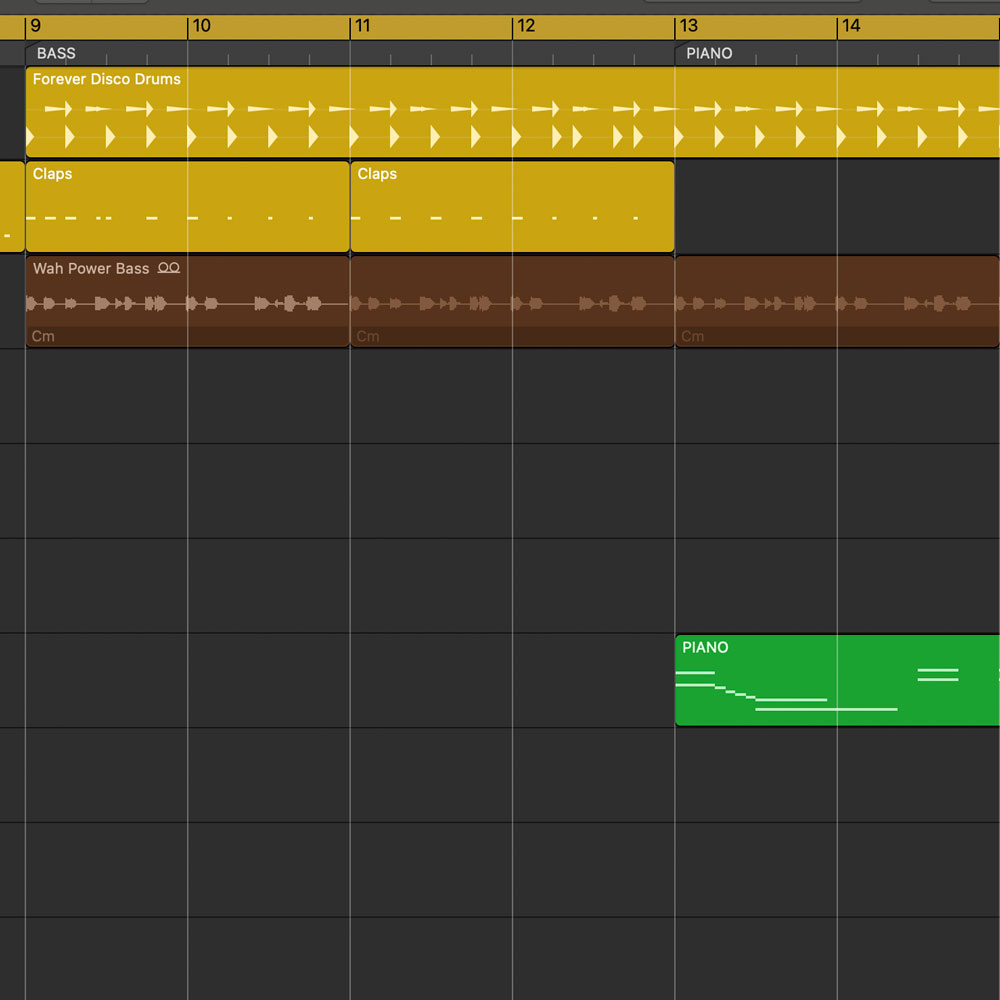
The tracks are displayed vertically, while time runs from left to right. At bar 9, the drums (yellow) and bass (brown) enter. The drums are made from sampled recordings supplied by Apple and played through a virtual drum machine. The bass, in this case, is a short audio loop, also provided by Apple. Loops are hugely popular these days, although I usually edit them quite heavily to suit my own purposes.
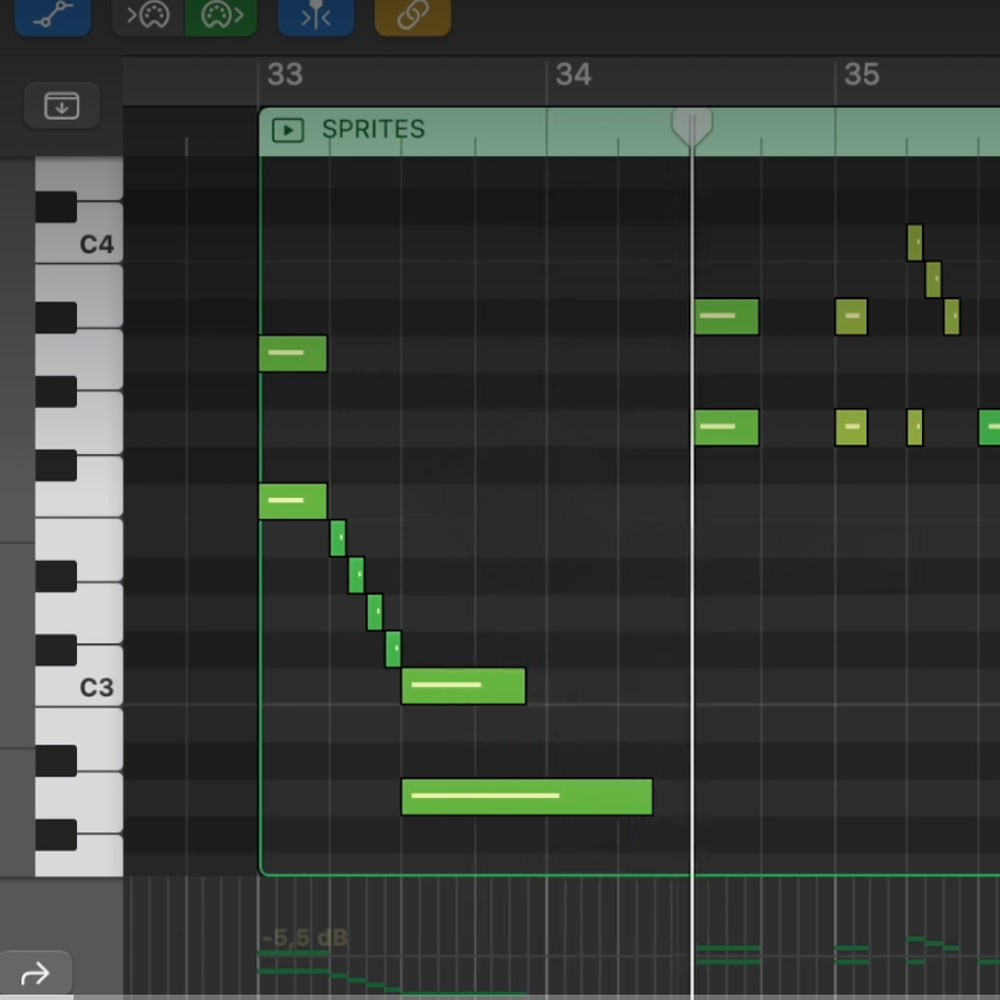
The green tracks are a synthesizer. The white lines indicate the notes being played. They are performed on a MIDI keyboard, which looks much like a normal piano keyboard but also includes controls that can conjure just about any sound imaginable from the computer. If you zoom in, you can see the individual MIDI notes, their pitch, length and expression.
The blue tracks are recordings of my own guitars. Since these are actual audio recordings rather than MIDI data, you don't see notes—only the waveform itself. The light green tracks are the brass section. These are also played via MIDI, but they are not synthesized. Instead, every playable note of the real instruments has been sampled at different dynamics and articulations. The software selects and combines these recordings to create a remarkably realistic performance.
The vocals are something else entirely. In the video they appear as ordinary audio tracks, but they were actually created using Synthesizer V. Professional singers have allowed their voices to be sampled—for a fee, of course—while singing carefully selected sounds and syllables. The software then combines lyrics with MIDI notes to produce remarkably convincing singing. On top of that, there are countless tools for shaping expression, creating harmonies and building entire choirs. It's quite extraordinary.
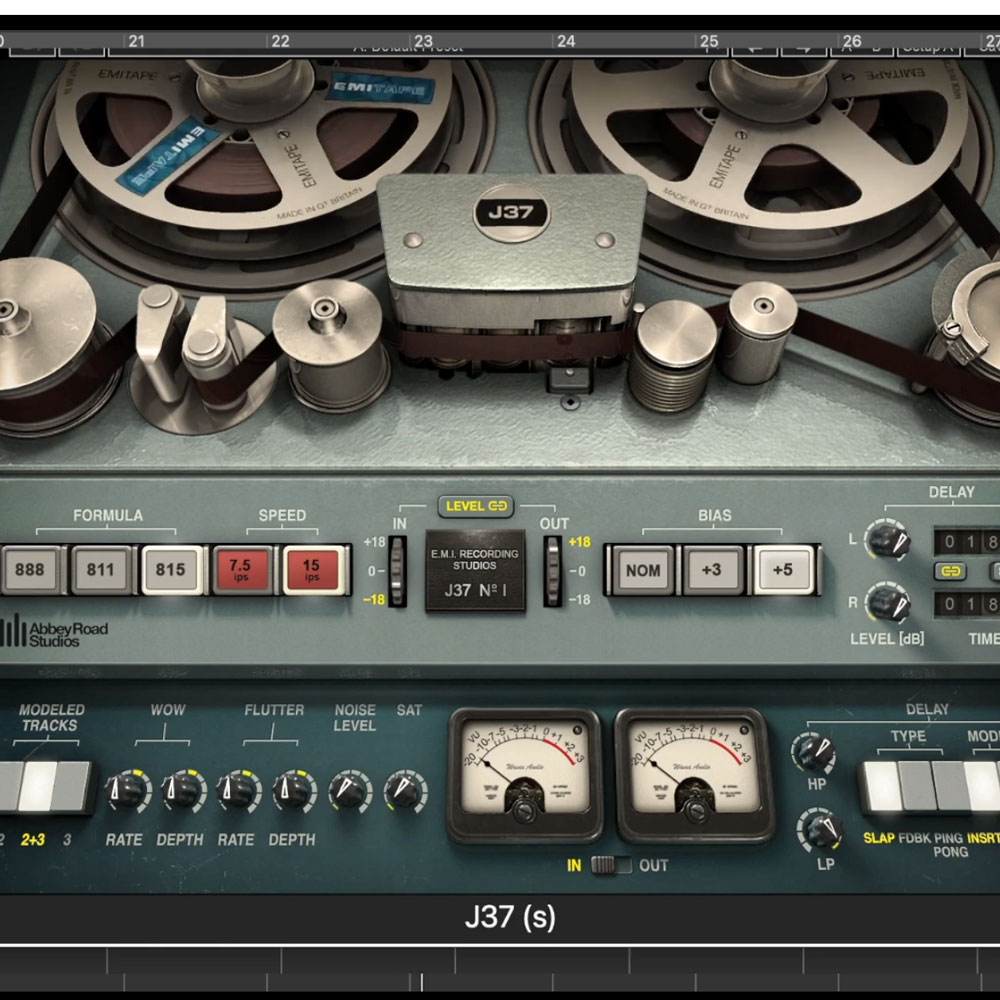
One of the plug-ins shown is an emulation of the famous J37 tape recorder from Abbey Road Studios—the same type of machine used by, among others, The Beatles. Magnetic tape handles overload very gracefully, producing the warm, smooth analogue character that has become fashionable all over again.
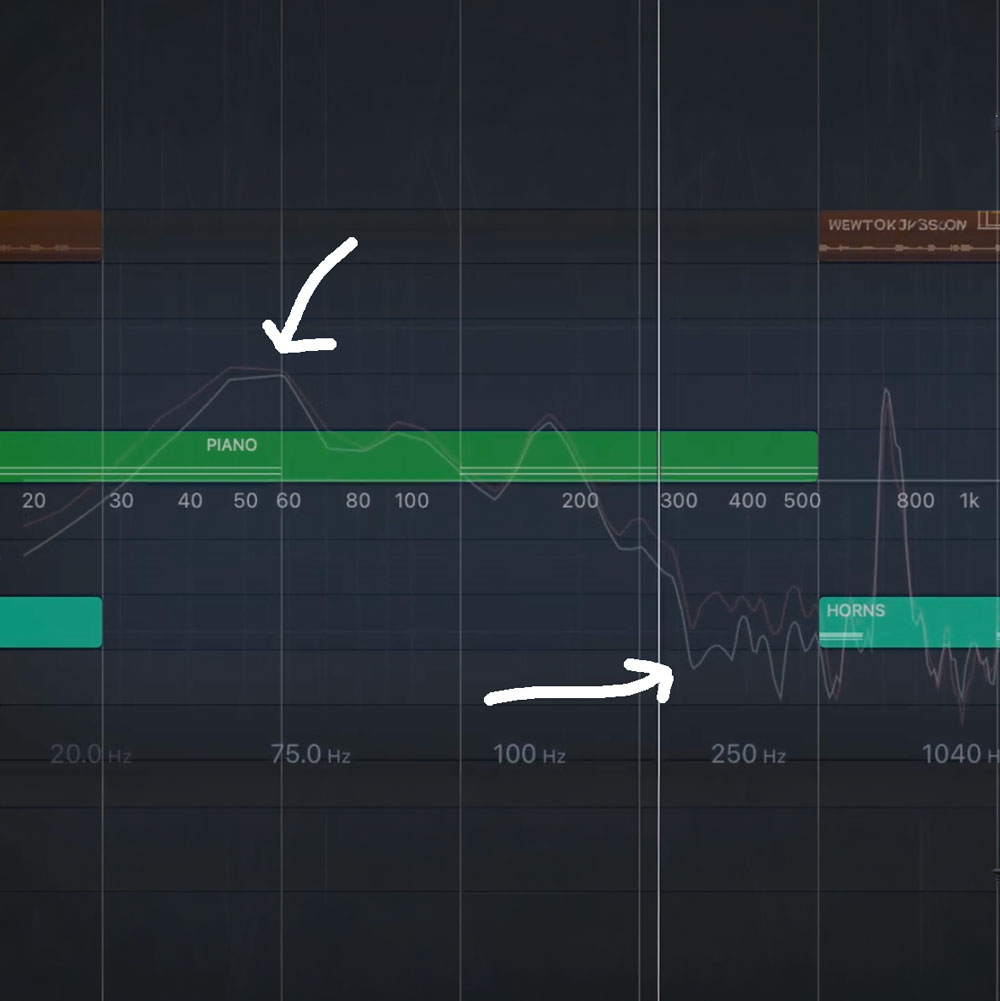
Since this is a dance track, the bass is especially important. As you can see from the EQ curve, the low-frequency range (roughly 20–400 Hz) is deliberately emphasised compared to the rest of the spectrum. If you can listen on a system with a subwoofer, you'll get the full benefit of the low-end thump. To improve the bass experience on headphones, I've also used a psychoacoustic harmonics process that convinces your brain you're hearing frequencies lower than the headphones are actually capable of reproducing.
he final part of the video was created mainly using Midjourney Version 8. To be honest, it has almost become too easy. It now understands my prompts almost immediately, so the hours spent arguing with AI are largely a thing of the past. The realism of the generated video is astonishing compared to earlier versions. Thankfully, there's still just enough of an AI vibe left that you can tell it isn't entirely real.